
Referral Programs are a game-changer for martial arts schools, turning satisfied students into powerful advocates. In this blog, we’ll explore how to implement referral systems and contests that can consistently bring in new students.
Introduction to Referral Programs
Referral Programs are not just a marketing strategy. They are part of building a strong community around your martial arts school. They transform your existing students into enthusiastic advocates who naturally attract new members. By leveraging the relationships and trust that your current students have, you can create a community that grows organically.
These programs encourage word-of-mouth promotion, which is often more effective than traditional advertising. When a friend recommends your school, it carries weight. People trust personal recommendations, and a referral program capitalizes on that trust.
Why Referral Growth is the Best Growth
Referral growth stands out as the best growth strategy for several reasons. First, referral leads have a higher retention rate. Referrals are more likely to stay longer and become loyal members of your school. This longevity translates into increased lifetime value for each student.
The cost of acquiring referral leads is lower compared to other marketing avenues. You save on advertising costs, which allows you to invest more in your programs, facilities, and staff. It’s a win-win situation.
When you implement a well-structured referral program, you create a cycle of continuous growth. Happy students bring in their friends, who, in turn, become satisfied members. This cycle reinforces itself, resulting in a thriving community.
Building a Simple Referral Program
Creating a referral program doesn’t have to be complicated. Start with a clear structure that outlines how the program works. Define the rewards for both the referrer and the new student. Ensure the process is easy to understand and communicate this clearly to your students.
One effective approach is to offer a straightforward incentive for both parties. For instance, if a current student refers a friend, both could receive a discount on their next month’s tuition. This not only rewards the referrer but also encourages the new student to engage with your school.
Make sure to promote your referral program consistently. Use signage, social media, and direct communication to keep it top of mind. Regular reminders will help maintain interest and encourage participation.
Creating Effective Incentives
The key to a successful referral program lies in crafting compelling incentives. Think about what motivates your students. Cash rewards, discounted memberships, or free merchandise can be effective. However, intangible rewards like recognition can also be powerful.
Consider implementing a tiered incentive system. For example, students who bring in multiple referrals could receive escalating rewards. This not only encourages initial referrals but also incentivizes ongoing participation.
To keep things exciting, consider running periodic contests. These can add a layer of competition and urgency, motivating students to refer more friends within a specific timeframe.
Visual Marketing of Your Referral Program
Visual marketing plays a critical role in the success of your referral program. It’s essential to make your program visible throughout your school. Use posters, flyers, and digital displays to communicate the details and benefits of the referral program. The more visible the program is, the more likely students will remember to participate.
Consider creating a dedicated space in your lobby where you can showcase success stories from referrals. Highlighting students who have successfully referred others can inspire participation and create a sense of community.
Utilizing social media is another effective way to promote your referral program. Share posts that highlight the rewards and the success stories of students who have benefited from the program. This not only keeps your current students engaged but also attracts potential new members.
Buddy Weeks can significantly enhance your referral program by providing an opportunity for current students to bring friends to class. This initiative allows potential new members to experience your school firsthand without any commitment. It’s a low-pressure way for them to engage and see the value of your programs.
To maximize the impact of Buddy Weeks, consider offering special incentives during this time. For instance, both the current student and their buddy could receive rewards if the buddy signs up for membership. This approach encourages participation and creates excitement around the event.
Promote Buddy Weeks well in advance to ensure maximum participation. Use your existing channels—emails, social media, and in-school promotions—to spread the word. The more students you can engage, the greater the likelihood of converting buddies into new members.
Referral contests are an exciting way to energize your community and foster a competitive spirit among students. These contests can be short-lived yet impactful, driving engagement and participation. The key is to set clear start and end dates, ideally around 30 days, to maintain excitement and momentum.
During the contest, pairing it with Buddy Weeks amplifies its effectiveness. This creates a perfect opportunity for students to invite friends while competing for prizes. Make sure everyone knows the rules and how they can earn tickets—this clarity can significantly enhance participation.
Implementing a Ticketing System for Contests
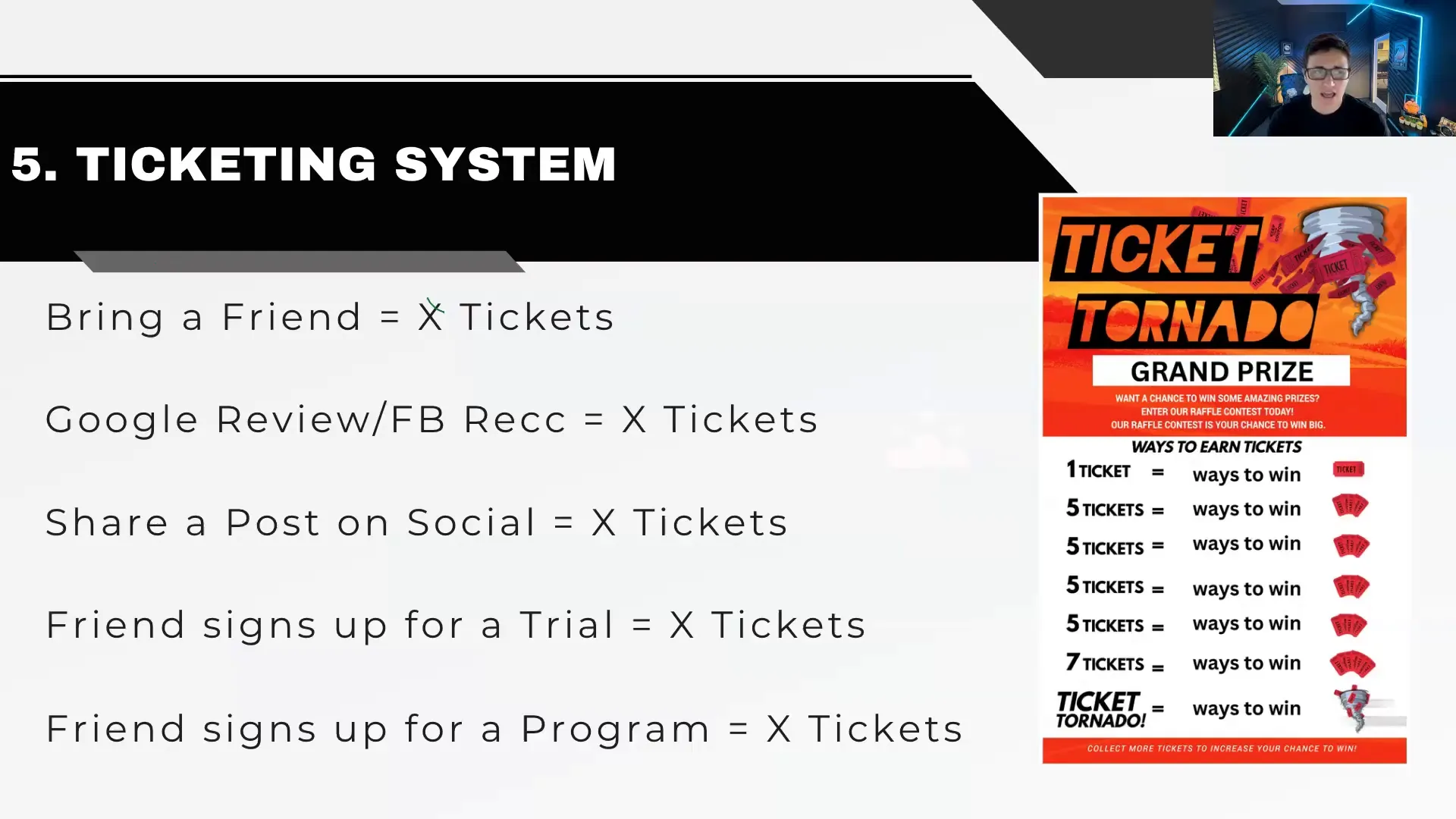
A ticketing system adds a fun and competitive edge to your referral contests. Each action taken by students—like bringing a friend to class or sharing a social media post—should earn them tickets. The more tickets they accumulate, the more chances they have to win exciting prizes.
This system can include various actions, such as:
- Bringing a friend to Buddy Week
- Writing a Google review or a Facebook recommendation
- Sharing promotional posts on social media
- Signing up a friend for a trial class
At the end of the contest, you can host a fun event where winners are drawn from the ticket pool. This event should be festive, allowing for a celebration of the community and the achievements of participants.
Using Automation to Enhance Referrals
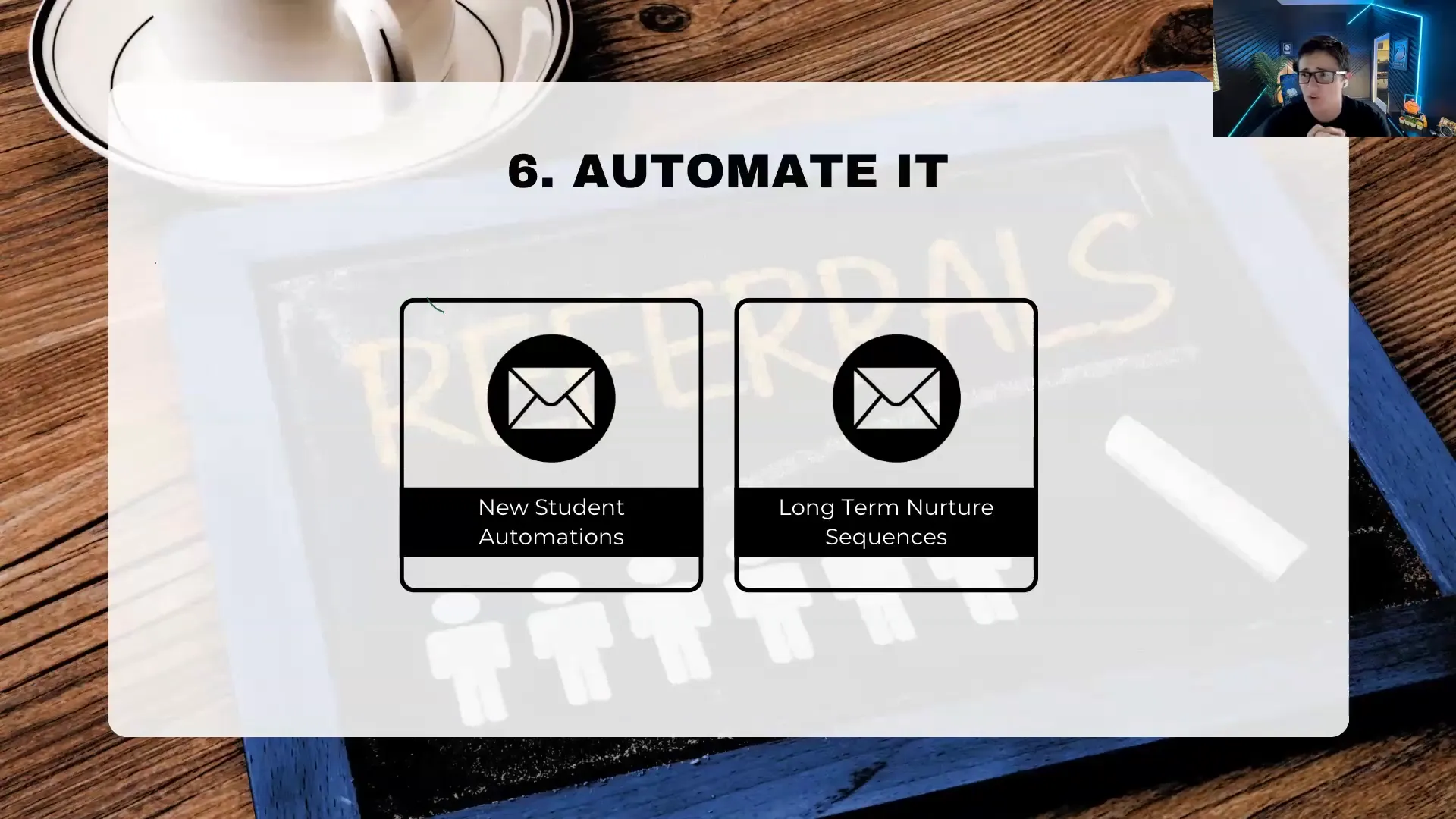
Automation can streamline your referral processes and ensure no opportunity is missed. Once a new student enrolls, set up an automated email and text sequence to welcome them and remind them of the referral program. This consistent communication keeps your referral program top of mind.
Additionally, consider long-term nurture sequences for existing students. These can be set to trigger reminders every few months, encouraging them to think of friends they can invite to class. The key is to make these communications feel personal and engaging.
Leveraging Social Proof for Growth
Social proof is a powerful tool in marketing, especially for referral programs. When students see their peers benefiting from the program, they are more likely to participate. Highlighting success stories on social media can create buzz and attract new students.
Encourage students to share their experiences and tag your school. This not only promotes your referral program but also enhances community spirit. You could even incentivize students for sharing their stories, offering them tickets in your referral contests for each post that tags your school.

Planning and Scheduling for Success
Strategic planning is essential for implementing effective referral programs. Begin by mapping out your calendar for the year, identifying key events such as Buddy Weeks and referral contests. This proactive approach helps ensure that you are consistently engaging with your community and providing opportunities for referrals.
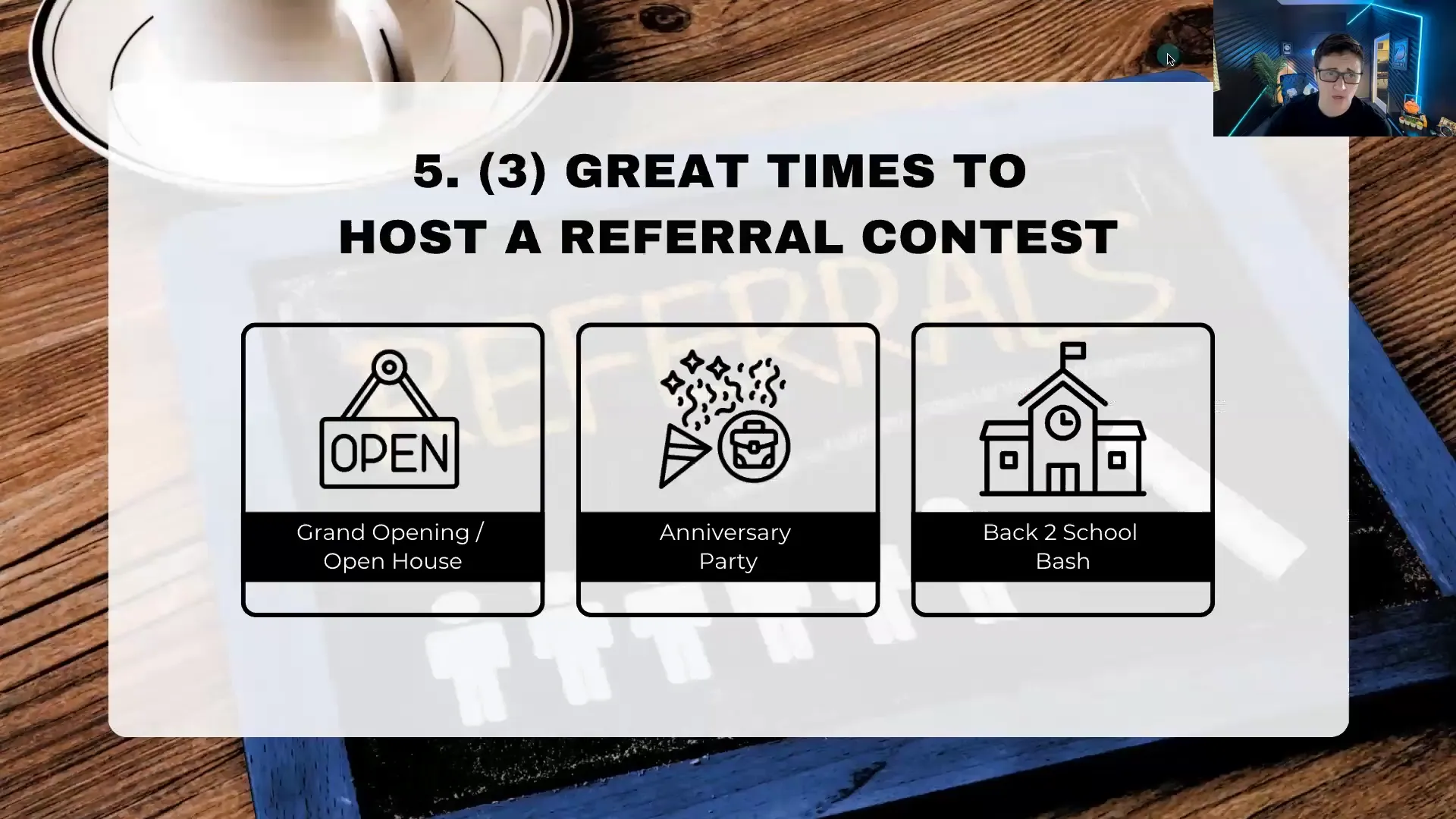
Remember, your events should cater to both recruitment and retention. For instance, during an open house, you can introduce referral programs while also celebrating students’ achievements, creating a dual purpose that maximizes attendance and engagement.
Action Steps
To foster a culture of referrals within your martial arts school, it’s essential to implement the strategies discussed. Start by setting up a clear referral program, engaging with referral contests, and utilizing automation to streamline communications. Leverage social proof to encourage participation, and plan your events thoughtfully to maximize impact.
As a next step, review your current marketing calendar and identify opportunities to integrate referral initiatives. Create a checklist to ensure that you’re consistently promoting your referral program and recognizing students who participate. Remember, the best schools don’t just hope for referrals; they actively design them into their culture.